
Article: Alcohol at Altitude: What Really Happens to Your Body

Alcohol at Altitude: What Really Happens to Your Body
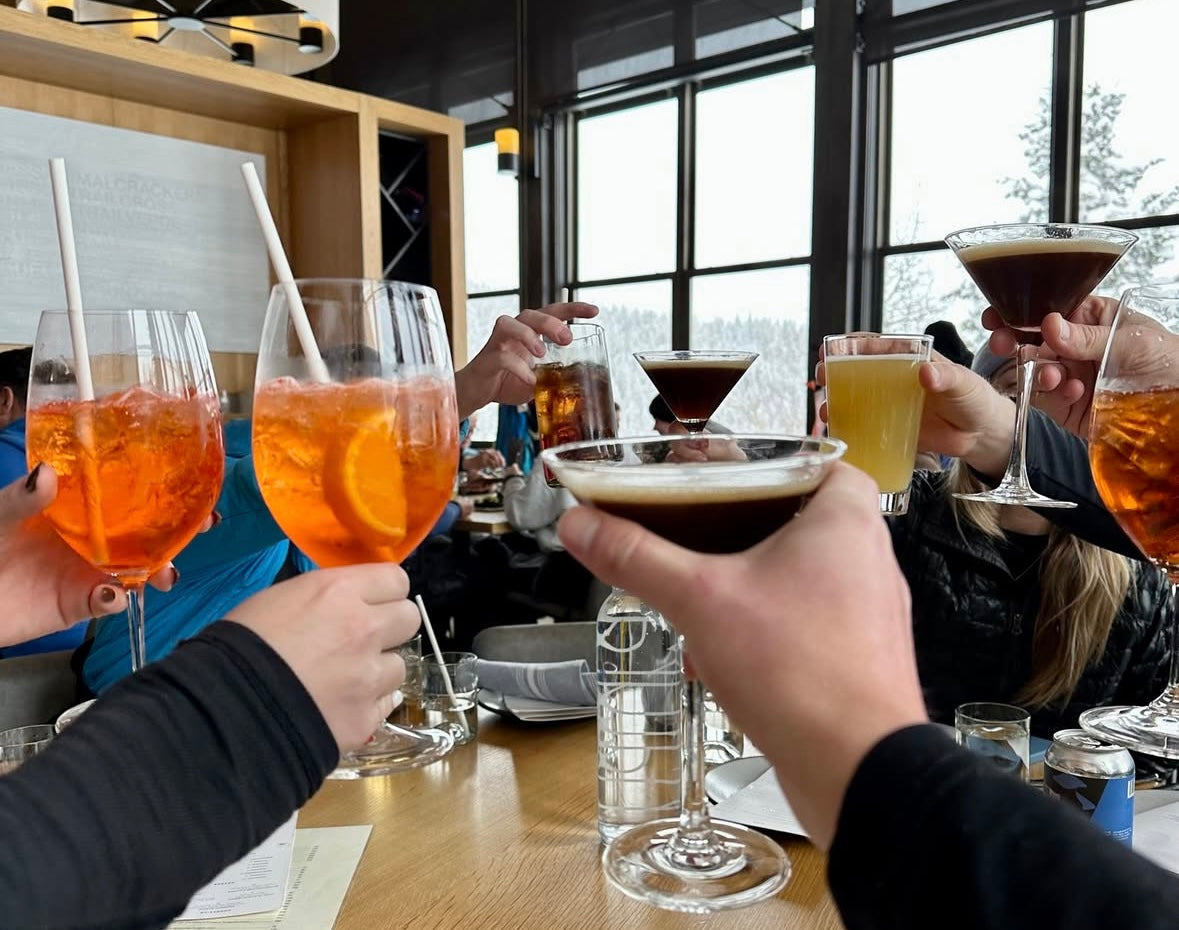
A weekend in the mountains often means fresh snow, big views, and—let’s be honest—a few drinks with friends. But if you’ve ever felt like that glass of wine “hit harder” at altitude, you’re not imagining things… just for a different reason than most people think.
Does Alcohol Really Hit Harder at Altitude?
Contrary to popular belief, alcohol doesn’t actually get you drunk faster at altitude. Your blood alcohol concentration (BAC) doesn’t rise more quickly just because you’re in Breckenridge instead of Texas.
But—and this is the important part—alcohol does make you more susceptible to the altitude.
Why it feels like you get drunk faster
While BAC isn’t higher, the effects of alcohol feel amplified because your brain is already operating with less oxygen.
Less oxygen + alcohol’s natural depressant effect = more noticeable impairment.
It’s like having two things subtly slowing your brain at the same time. Here’s what’s actually happening inside your body.
The Biology: Why Altitude + Alcohol = A Tough Combo
At altitude, the air is thinner, which makes it harder for your body to get the oxygen it needs. This affects energy production, muscle performance, and cognitive function.
Alcohol complicates things in three key ways:
1. Alcohol impairs your body’s ability to acclimate
Acclimation requires your body to increase breathing rate, improve oxygen delivery, and ramp up cellular energy production (ATP).
Alcohol slows these adaptive processes, making it harder to adjust.
2. Alcohol reduces the quality of sleep
Sleep is when your body’s acclimation work happens. Altitude already disrupts sleep patterns; alcohol magnifies that effect—leading to more fatigue, headaches, and energy dips the next day.
3. Alcohol masks early signs of altitude stress
Altitude and alcohol effects overlap:
-
Headache
-
Dizziness
-
Nausea
-
Fatigue
-
Increased heart rate
-
Brain fog
It becomes harder to tell if you're overtired, tipsy, or showing signs of altitude stress—which can make people push past their limits without realizing it.
How to Drink Responsibly at Altitude
You don’t need to avoid alcohol completely. You just need to adjust your habits a bit:
1. Start slow on night one
Your body needs those first 12–24 hours to begin adjusting. If you arrive, unpack, and immediately start drinking—your acclimation gets delayed.
2. Hydrate, but don’t rely on hydration alone
Hydration supports overall wellness, but it doesn’t solve altitude’s oxygen deficit.
Think of hydration as the baseline—not the solution.
3. Eat carbohydrates
Carbs help your body produce ATP more efficiently at altitude. This reduces the "energy crash" people often mistake for dehydration.
4. Sleep more intentionally
Alcohol disrupts altitude sleep patterns. If you’re drinking, keep it earlier in the evening and give your body time before bed.
5. Know your personal limits
Even one or two drinks can feel different than sea level. Pace yourself and listen to your body.
Warning Signs of Altitude Stress (Pay Attention to These)
These symptoms often mimic dehydration or a hangover, which is why they get overlooked:
-
Headache
-
Fatigue or low energy
-
Rapid heart rate
-
Shortness of breath
-
Nausea
-
Dizziness or lightheadedness
-
Difficulty sleeping
-
Brain fog or irritability
-
Muscle weakness or cramps
Up to 95% of the time, these feelings are driven by altitude itself, and alcohol can make them feel stronger. Starting MTN Ready a day or two before traveling can help support your body’s natural acclimation and cellular energy production, so you’re better prepared when you hit altitude.
The Bottom Line
Alcohol doesn’t chemically become stronger at altitude—but its effects feel stronger because your body is already working overtime with less oxygen. Drinking smart in the mountains means slowing down, paying attention to early signs of altitude stress, and giving your body the support it needs to acclimate.
Read more
Debunked: 5 Myths About Altitude Sickness
Altitude sickness, also known as acute mountain sickness (AMS), is a common concern for those venturing to mountain towns or high-altitude destinations. Despite its prevalence, there are many misco...
Read more
FREE shipping on orders of 25 stick packs or more
Just $5 flat rate for the 5 pack

Easy-Open Packaging
Simply tear or cut and pour in your favorite beverage